August 23, 2026
August 23, 2026
Fake Government Agencies Expose Nigeria’s Dangerous Verification Gaps
If an unauthorised organisation can secure government office space and appear in a federal budget, official-looking documents are no longer enough. Nigeria’s fake-agency scandal reveals why citizens, businesses and public institutions must independently verify every identity, appointment and organisation.
If an unauthorised organisation can secure government office space and appear in a federal budget, official-looking documents are no longer enough. Nigeria’s fake-agency scandal reveals why citizens, businesses and public institutions must independently verify every identity, appointment and organisation.
Recent ICPC findings show how forged documents and weak institutional checks can give fictitious government bodies a dangerous appearance of legitimacy.
A Government Office Does Not Always Prove Legitimacy
Nigeria is confronting a disturbing form of institutional impersonation: organisations allegedly presenting themselves as legitimate government bodies despite lacking lawful authorisation.
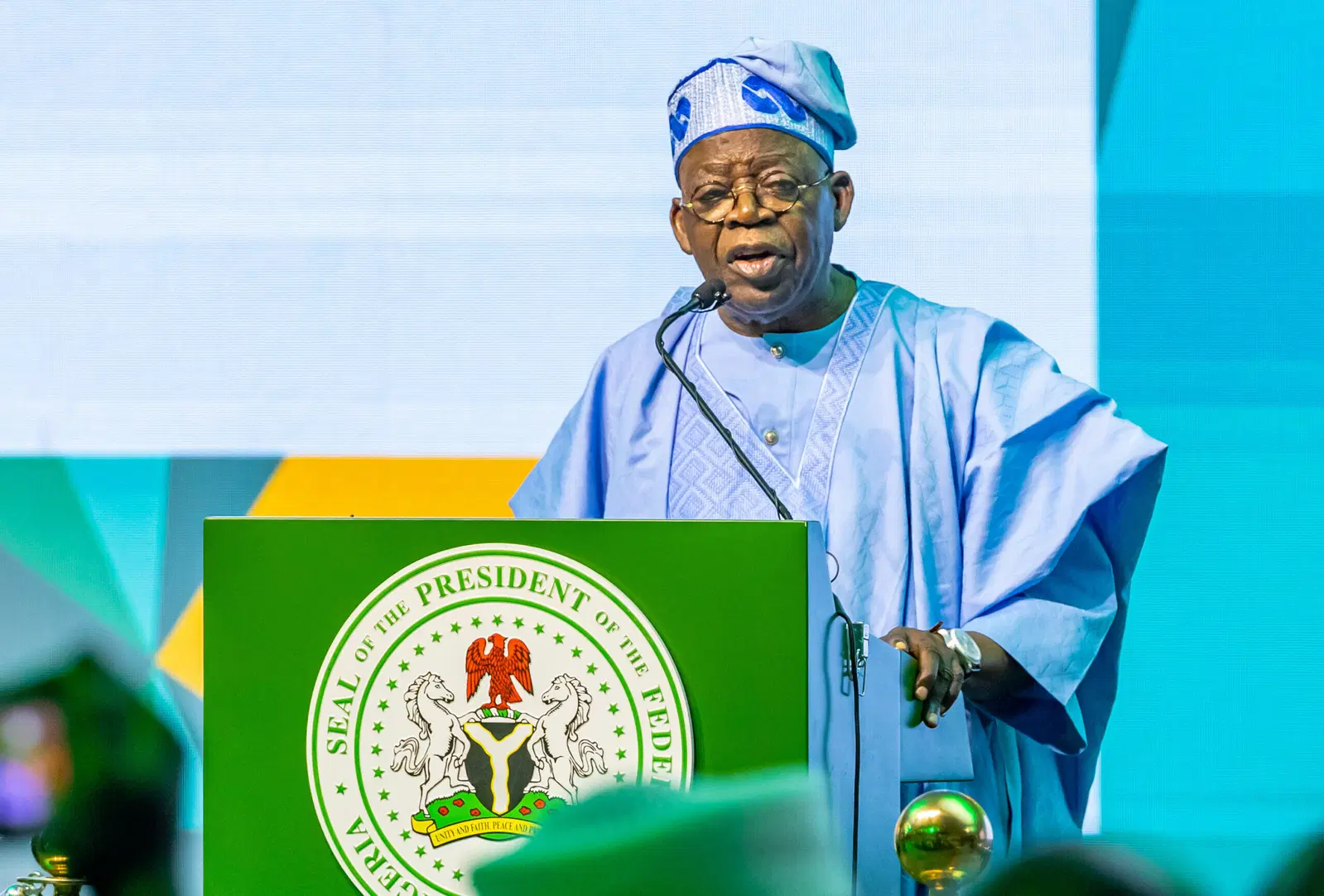
The Independent Corrupt Practices and Other Related Offences Commission disclosed the latest findings after its chairman, Dr Musa Adamu Aliyu, briefed President Bola Tinubu at the Presidential Villa in Abuja.
The investigation has exposed a critical lesson for every Nigerian: an official title, government address, impressive document or influential connection does not automatically prove legitimacy.
That is why independent digital verification is becoming essential - not only for individuals and businesses, but also for government institutions.
What Did the ICPC Uncover?
The ICPC identified an alleged unauthorised organisation called the National Brands Development and Made-in-Nigeria Special Project Office.
According to public reports, the organisation:
Had no established presidential authorisation.
Allegedly operated from premises connected to the Office of the Secretary to the Government of the Federation.
Was reportedly promoted by George Buchi Nwabueze.
Was discovered during an investigation into another fictitious government body.
Following the briefing, President Tinubu ordered Nwabueze’s arrest and suspended three permanent secretaries pending further investigation.
The individual roles of the suspended officials have not been publicly established. Their suspension does not constitute proof of guilt.
The Earlier Fake Agency Investigation
The investigation began with the purported Presidential Foreign Intervention Promotion Council, sometimes identified as the Presidential Foreign Investment Promotion Council.
Adeniyi Adeyemi Matthew allegedly claimed to be its director-general and a presidential appointee.
The Presidency publicly disowned the organisation, stating that the office did not exist and no appointment had been made.
President Tinubu subsequently directed the ICPC to investigate:
Forged appointment letters and government documents
False claims of presidential appointment
Bank accounts opened under government-style names
Attempts to secure diplomatic or institutional recognition
The involvement of public officials and private collaborators
Weaknesses in government procedures
What Has Been Established So Far?
The ICPC’s interim findings indicate that:
The alleged director-general was not appointed by the Federal Government.
The organisation was not established by legislation, an executive order or another lawful instrument.
Its purported appointment letter, gazette and supporting documents were allegedly forged.
Government facilities previously connected to the defunct Presidential Economic Advisory Council were allegedly appropriated.
Related fictitious organisations and bank accounts were reportedly created using forged documents.
Weak verification procedures helped the organisation acquire an appearance of legitimacy.
The ICPC recommended prosecution for alleged forgery, impersonation and related offences. Final criminal responsibility must, however, be determined through the courts.
Did the Fake Agency Receive Government Money?
Approximately ₦1.3 billion was reportedly allocated to the disputed organisation in the 2026 federal budget.
However, a budget allocation is not the same as a payment.
The ICPC and Budget Office said they found no evidence that federal funds were released to the organisation. According to the Budget Office’s explanation, expenditure controls prevented the allocation from becoming actual government spending.
The bigger concern is how a body without lawful existence entered the budget process at all.
Why This Matters to Every Nigerian
Fake institutions can cause damage even when they do not receive public funds. Their official appearance can be used to:
Collect fraudulent application or processing fees
Obtain confidential personal and business information
Open bank accounts
Approach foreign investors and diplomatic missions
Issue fake appointments, contracts or grants
Recruit unsuspecting jobseekers
Create false confidence among potential victims
A government address or photograph with a public official can make a fraudulent operation appear credible. Criminals understand this and frequently borrow institutional authority to lower their victims’ suspicions.
Official Appearance Is Not Verification
Many Nigerians still rely on weak indicators of trust:
A letter carrying a government logo
A laminated identity card
An office inside an official building
A photograph with a prominent person
A professional-looking website
A “government-approved” claim
A referral from an influential contact
These may support an identity claim, but none independently proves it.
True verification requires checking information against authoritative records and examining whether the person, organisation and documents genuinely correspond.
How Profiled Nigeria Can Reduce the Risk
The fake-agency scandal demonstrates why Profiled Nigeria’s solutions are relevant to Nigeria’s digital and institutional future.
Verify Before You Trust
Profiled Nigeria’s verification service helps users investigate the identity and credibility of people or organisations before entering important relationships.
Verification is particularly important before:
Paying an application or contract fee
Submitting identity documents
Accepting a government-linked appointment
Entering an investment partnership
Sharing confidential business information
Responding to a recruitment or grant offer
Use SecureMeet for Sensitive Interactions
Fraudsters often avoid transparent identity checks and pressure victims to communicate through untraceable channels.
SecureMeet offers a safer approach to important digital interactions by placing verification and trust-conscious communication at the centre of the meeting process.
It can support safer engagements involving prospective partners, recruiters, agents, contractors and unfamiliar online contacts.
Build a Culture of Verification
Profiled Nigeria’s role extends beyond detecting individual scams. Its solutions encourage Nigerians to replace assumptions with evidence.
The right question is no longer, “Does this look official?” It is:
“Has this person, document or organisation been independently verified?”
What Government Is Doing
The Federal Government’s response currently includes:
Continuing ICPC investigations
Proposed prosecution of alleged perpetrators
Suspension of officials pending investigation
Examination of government document and office-access procedures
A House of Representatives investigation into the budget allocation
Review of institutional verification and inter-agency controls
Directives requiring federal agencies to cooperate with investigators
These are important steps, but long-term prevention should include a public register of lawful federal bodies, digitally verifiable appointment letters, stricter control of government premises and mandatory validation before any agency receives a budget code.
How Nigerians Can Protect Themselves
Before dealing with someone claiming government authority:
Search the official website of the relevant ministry or agency.
Confirm the enabling law or presidential instrument establishing the body.
Contact the claimed supervising institution through independently sourced details.
Do not rely on phone numbers or links provided by the claimant.
Verify appointment letters, payment instructions and bank-account names.
Never pay to secure a government appointment.
Use Profiled Nigeria to conduct additional verification.
Report suspected impersonation to the relevant authority.
Find more fraud-prevention guidance on the Profiled Nigeria blog.
Conclusion
Nigeria’s fake-agency scandal is not only a corruption story. It is a warning about the danger of trusting appearances without verification.
The government must close the administrative gaps that allowed unauthorised bodies to appear legitimate. Citizens and businesses must also confirm identities, documents and organisations before sharing information or transferring money.
Profiled Nigeria’s verification tools and SecureMeet solution help Nigerians make safer decisions by introducing evidence, accountability and identity protection into digital interactions. In today’s environment, verification is no longer an optional precaution - it is the foundation of trust.


Recent ICPC findings show how forged documents and weak institutional checks can give fictitious government bodies a dangerous appearance of legitimacy.
A Government Office Does Not Always Prove Legitimacy
Nigeria is confronting a disturbing form of institutional impersonation: organisations allegedly presenting themselves as legitimate government bodies despite lacking lawful authorisation.
The Independent Corrupt Practices and Other Related Offences Commission disclosed the latest findings after its chairman, Dr Musa Adamu Aliyu, briefed President Bola Tinubu at the Presidential Villa in Abuja.
The investigation has exposed a critical lesson for every Nigerian: an official title, government address, impressive document or influential connection does not automatically prove legitimacy.
That is why independent digital verification is becoming essential - not only for individuals and businesses, but also for government institutions.
What Did the ICPC Uncover?
The ICPC identified an alleged unauthorised organisation called the National Brands Development and Made-in-Nigeria Special Project Office.
According to public reports, the organisation:
Had no established presidential authorisation.
Allegedly operated from premises connected to the Office of the Secretary to the Government of the Federation.
Was reportedly promoted by George Buchi Nwabueze.
Was discovered during an investigation into another fictitious government body.
Following the briefing, President Tinubu ordered Nwabueze’s arrest and suspended three permanent secretaries pending further investigation.
The individual roles of the suspended officials have not been publicly established. Their suspension does not constitute proof of guilt.
The Earlier Fake Agency Investigation
The investigation began with the purported Presidential Foreign Intervention Promotion Council, sometimes identified as the Presidential Foreign Investment Promotion Council.
Adeniyi Adeyemi Matthew allegedly claimed to be its director-general and a presidential appointee.
The Presidency publicly disowned the organisation, stating that the office did not exist and no appointment had been made.
President Tinubu subsequently directed the ICPC to investigate:
Forged appointment letters and government documents
False claims of presidential appointment
Bank accounts opened under government-style names
Attempts to secure diplomatic or institutional recognition
The involvement of public officials and private collaborators
Weaknesses in government procedures
What Has Been Established So Far?
The ICPC’s interim findings indicate that:
The alleged director-general was not appointed by the Federal Government.
The organisation was not established by legislation, an executive order or another lawful instrument.
Its purported appointment letter, gazette and supporting documents were allegedly forged.
Government facilities previously connected to the defunct Presidential Economic Advisory Council were allegedly appropriated.
Related fictitious organisations and bank accounts were reportedly created using forged documents.
Weak verification procedures helped the organisation acquire an appearance of legitimacy.
The ICPC recommended prosecution for alleged forgery, impersonation and related offences. Final criminal responsibility must, however, be determined through the courts.
Did the Fake Agency Receive Government Money?
Approximately ₦1.3 billion was reportedly allocated to the disputed organisation in the 2026 federal budget.
However, a budget allocation is not the same as a payment.
The ICPC and Budget Office said they found no evidence that federal funds were released to the organisation. According to the Budget Office’s explanation, expenditure controls prevented the allocation from becoming actual government spending.
The bigger concern is how a body without lawful existence entered the budget process at all.
Why This Matters to Every Nigerian
Fake institutions can cause damage even when they do not receive public funds. Their official appearance can be used to:
Collect fraudulent application or processing fees
Obtain confidential personal and business information
Open bank accounts
Approach foreign investors and diplomatic missions
Issue fake appointments, contracts or grants
Recruit unsuspecting jobseekers
Create false confidence among potential victims
A government address or photograph with a public official can make a fraudulent operation appear credible. Criminals understand this and frequently borrow institutional authority to lower their victims’ suspicions.
Official Appearance Is Not Verification
Many Nigerians still rely on weak indicators of trust:
A letter carrying a government logo
A laminated identity card
An office inside an official building
A photograph with a prominent person
A professional-looking website
A “government-approved” claim
A referral from an influential contact
These may support an identity claim, but none independently proves it.
True verification requires checking information against authoritative records and examining whether the person, organisation and documents genuinely correspond.
How Profiled Nigeria Can Reduce the Risk
The fake-agency scandal demonstrates why Profiled Nigeria’s solutions are relevant to Nigeria’s digital and institutional future.
Verify Before You Trust
Profiled Nigeria’s verification service helps users investigate the identity and credibility of people or organisations before entering important relationships.
Verification is particularly important before:
Paying an application or contract fee
Submitting identity documents
Accepting a government-linked appointment
Entering an investment partnership
Sharing confidential business information
Responding to a recruitment or grant offer
Use SecureMeet for Sensitive Interactions
Fraudsters often avoid transparent identity checks and pressure victims to communicate through untraceable channels.
SecureMeet offers a safer approach to important digital interactions by placing verification and trust-conscious communication at the centre of the meeting process.
It can support safer engagements involving prospective partners, recruiters, agents, contractors and unfamiliar online contacts.
Build a Culture of Verification
Profiled Nigeria’s role extends beyond detecting individual scams. Its solutions encourage Nigerians to replace assumptions with evidence.
The right question is no longer, “Does this look official?” It is:
“Has this person, document or organisation been independently verified?”
What Government Is Doing
The Federal Government’s response currently includes:
Continuing ICPC investigations
Proposed prosecution of alleged perpetrators
Suspension of officials pending investigation
Examination of government document and office-access procedures
A House of Representatives investigation into the budget allocation
Review of institutional verification and inter-agency controls
Directives requiring federal agencies to cooperate with investigators
These are important steps, but long-term prevention should include a public register of lawful federal bodies, digitally verifiable appointment letters, stricter control of government premises and mandatory validation before any agency receives a budget code.
How Nigerians Can Protect Themselves
Before dealing with someone claiming government authority:
Search the official website of the relevant ministry or agency.
Confirm the enabling law or presidential instrument establishing the body.
Contact the claimed supervising institution through independently sourced details.
Do not rely on phone numbers or links provided by the claimant.
Verify appointment letters, payment instructions and bank-account names.
Never pay to secure a government appointment.
Use Profiled Nigeria to conduct additional verification.
Report suspected impersonation to the relevant authority.
Find more fraud-prevention guidance on the Profiled Nigeria blog.
Conclusion
Nigeria’s fake-agency scandal is not only a corruption story. It is a warning about the danger of trusting appearances without verification.
The government must close the administrative gaps that allowed unauthorised bodies to appear legitimate. Citizens and businesses must also confirm identities, documents and organisations before sharing information or transferring money.
Profiled Nigeria’s verification tools and SecureMeet solution help Nigerians make safer decisions by introducing evidence, accountability and identity protection into digital interactions. In today’s environment, verification is no longer an optional precaution - it is the foundation of trust.