September 6, 2026
September 6, 2026
How to Verify Someone Before Meeting Them in Nigeria
Meeting an online contact without confirming their identity can expose you to fraud, robbery, kidnapping or blackmail. Whether it is a date, customer, vendor or prospective employer, these verification steps can help Nigerians detect deception and meet more safely.
Meeting an online contact without confirming their identity can expose you to fraud, robbery, kidnapping or blackmail. Whether it is a date, customer, vendor or prospective employer, these verification steps can help Nigerians detect deception and meet more safely.
Online conversations can create false confidence. Verifying someone’s identity, claims and intentions before an in-person meeting provides an essential layer of protection.
Why You Should Verify Someone Before Meeting Them
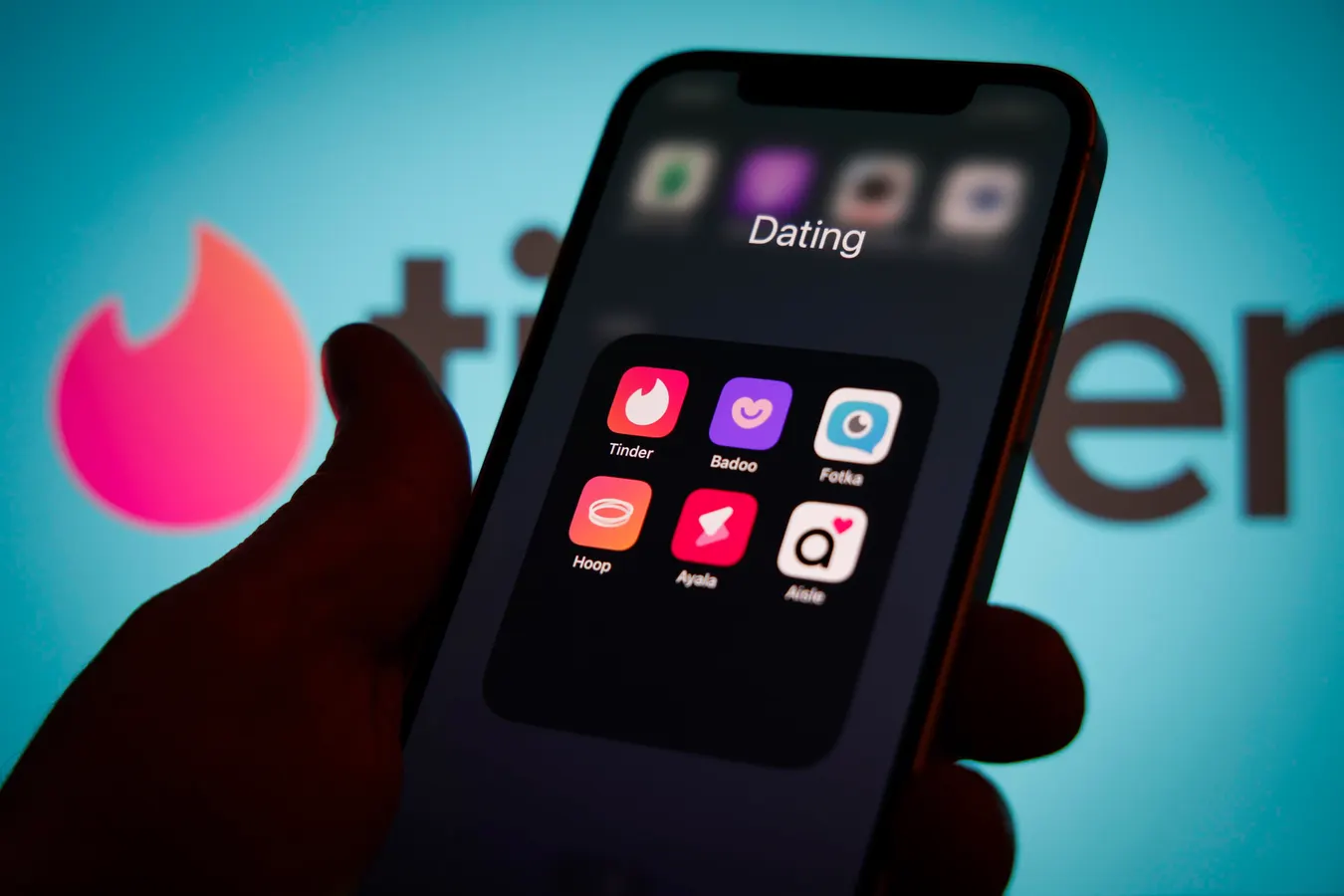
Every day, Nigerians arrange physical meetings with people first encountered on Instagram, WhatsApp, Facebook, TikTok, dating applications, online marketplaces and professional platforms.
Most of these interactions are harmless. However, a friendly profile, polished photograph or familiar accent does not prove that the person behind the account is genuine.
Fraudsters can use stolen photographs, fabricated employment histories, fake business identities and convincing AI-generated content. According to INTERPOL’s 2026 African Cyberthreat Assessment, artificial intelligence was enabling 55% of reported cybercrimes across Africa, making deception faster, cheaper and harder to detect.
Verification is therefore not paranoia. It is a reasonable safety process before giving an unfamiliar person access to your time, money, personal information or physical location.
Who Should You Verify Before Meeting?
Verification is advisable when meeting:
An online romantic interest
A social-media vendor or customer
A prospective employer or recruiter
A landlord, property agent or tenant
A business partner or investor
A contractor or service provider
A buyer from an online marketplace
A person offering travel, scholarship or job assistance
Anyone requesting a private or isolated meeting
The higher the financial, emotional or physical risk, the stronger your verification should be.
1. Compare Their Identity Across Platforms
Begin with the information the person has voluntarily provided. Compare the name, photographs, phone number, location, employment and other claims across independent sources.
Look for consistency between:
WhatsApp display information
Social-media accounts
Professional profiles
Business websites
Email addresses
Public business records
Payment-account beneficiary names
Previous posts and tagged photographs
One difference does not automatically prove deception. People use nicknames, change jobs and keep separate personal accounts. However, several unexplained contradictions should make you pause.
Ask direct but respectful questions about inconsistencies. A genuine person should usually be able to provide a reasonable explanation without intimidation or extreme defensiveness.
2. Examine the Age and History of Their Accounts
A profile created recently with a few polished photographs may have been assembled specifically to deceive people.
Check:
How far back the posts go
Whether interactions developed naturally over time
Whether friends or relatives leave believable comments
Whether tagged posts come from established accounts
Whether the person’s location history makes sense
Whether all posts were uploaded within a short period
Whether their name or username has changed repeatedly
Follower counts and verification badges are not absolute proof. Followers can be purchased, accounts can be hacked and some platform badges may be acquired through paid subscription programmes.
Focus on the complete history, not one impressive signal.
3. Reverse-Search Their Photographs
Use a reverse-image search tool to check whether the person’s profile photographs appear elsewhere online.
A reverse search may reveal that:
The photograph belongs to another person.
The image was taken from a model, celebrity or influencer.
The same face appears under several names.
A supposed Nigerian photograph originated on a foreign website.
The person is impersonating a real professional or business owner.
Finding the same photograph elsewhere is not automatically suspicious. People repost images across their genuine accounts. The important question is whether the names, locations and stories attached to the image are consistent.
Be cautious when every photograph looks professionally produced and the person refuses to provide any fresh or spontaneous proof.
4. Request a Live Video Conversation
A live video call is stronger evidence than photographs or pre-recorded clips.
During the call, confirm that the person’s face, voice and surroundings reasonably match their claims. Hold a natural conversation and ask an unexpected, harmless question that cannot easily be answered using a recording.
For higher-risk meetings, you can request that the person:
State your first name during the call.
Show a product or document relevant to the transaction.
Turn the camera briefly to demonstrate that the call is live.
Explain the purpose and arrangements for the meeting.
Confirm the public venue and expected time.
Deepfake technology means video is no longer perfect proof. Watch for unnatural facial movement, poor lip synchronisation, strange blinking, sudden visual distortion or repeated excuses about camera failure.
Use Profiled Nigeria’s securemeet solution when you need a safer, identity-conscious environment for meeting an unfamiliar person online before progressing to a physical appointment.
5. Verify Their Important Claims Independently
Do not depend exclusively on documents or links sent by the person.
If they claim to own or represent a registered Nigerian business, search the Corporate Affairs Commission public register. Compare the registered name with the business, invoice and payment details.
If they claim to work for a company:
Visit the organisation’s official website independently.
Call a publicly listed telephone number.
Contact the organisation through an official email address.
Confirm whether the person and opportunity are genuine.
Avoid using contact details contained only in a document they supplied.
A CAC record proves that a business entity exists. It does not establish that the person messaging you is authorised to represent it. Criminals can impersonate registered companies and legitimate professionals.
Profiled Nigeria’s verify service can help you examine identity and business claims before making a consequential decision.
6. Search for Their Digital Reputation
Search the person’s name, phone number, business name, username and email address alongside terms such as:
Scam
Fraud
Complaint
Review
Arrest
Impersonation
Nigeria
Consider the credibility of each result. An anonymous allegation is not the same as an official record or multiple documented complaints.
Look for patterns rather than one isolated negative comment. Repeated claims involving stolen photographs, unpaid debts, fake jobs, non-delivery or threatening behaviour deserve careful attention.
Remember that an absence of complaints is not proof of safety. A newly created identity may have no searchable history.
7. Protect Your Personal Information During Verification
Verification should be proportionate and lawful. You do not need to exchange every sensitive document with a stranger.
Do not casually send:
A complete NIN slip
BVN information
Passport data page
Bank statement
Card details
Banking PIN
Password
One-time password
Home access code
Intimate photographs
If a legitimate transaction requires identity evidence, reveal only what is necessary and use a trusted process. Consider masking irrelevant numbers or details where appropriate.
The Nigeria Data Protection Commission explains that organisations handling personal data have obligations under the Nigeria Data Protection Act 2023. Verification should improve safety without becoming an excuse for unnecessary data collection.
8. Watch for Behavioural Red Flags
Identity checks should include behaviour, not only documents.
Be cautious if the person:
Refuses every live video call.
Changes important details repeatedly.
Pressures you to meet immediately.
Insists on an isolated location.
Becomes angry when you ask basic safety questions.
Requests money before the meeting.
Sends unsolicited links or applications.
Demands secrecy from friends or family.
Offers an opportunity that appears unrealistically profitable.
Claims that an emergency prevents normal verification.
Wants to collect you from home.
Tries to move the conversation away from a platform with safety controls.
One warning sign may have an innocent explanation. Several warning signs together should end or postpone the meeting.
INTERPOL reports that online scams increasingly use social media, emotional manipulation, stolen identities and AI-generated content. In a 2025 operation targeting romance scams and sextortion, authorities identified 1,463 victims with estimated losses of almost $2.8 million, INTERPOL’s operation report documented the use of fake profiles, forged identities and stolen photographs.
9. Make the Physical Meeting Safer
Verification reduces risk; it does not eliminate it.
For a first meeting:
Choose a busy, reputable public location.
Meet during daylight where possible.
Arrange your own transport.
Do not allow the person to collect you from home.
Tell a trusted person whom you are meeting.
Share the meeting address and expected return time.
Send your contact the person’s profile and phone number.
Keep your phone charged and maintain sufficient airtime or data.
Avoid becoming too intoxicated to make safe decisions.
Protect your drink, bag, phone and payment cards.
Do not display large amounts of cash.
Leave immediately if the situation feels wrong.
Consider sharing live location temporarily with a trusted relative or friend. Agree on a check-in time and a code word that signals you need assistance without alerting the person you are meeting.
Nigeria uses 112 as its national emergency number, although response availability can vary by location. Save appropriate local security and emergency contacts before leaving.
10. Verify the Venue Too
A person may be real while the proposed meeting environment remains unsafe.
Search the venue and confirm:
Its correct address
Normal opening hours
Recent independent reviews
Whether it is active and publicly accessible
Available transport routes
Mobile-network coverage
Security presence
Alternative exits or nearby safe locations
Call the venue through a publicly listed number if necessary. Do not rely solely on a location pin sent by the person.
Avoid changing to a private apartment, hotel room, empty office, construction site or unfamiliar vehicle at the last minute. A sudden venue change can remove the safety protections you originally planned.
What to Do If You Discover Deception
If you believe someone is impersonating another person or preparing to defraud or harm you:
Stop communicating and cancel the meeting.
Do not threaten or attempt to confront the person.
Save profile links, usernames, telephone numbers and messages.
Preserve payment requests, voice notes, photographs and meeting details.
Report the account to the relevant platform.
Warn the genuine person or organisation being impersonated.
Contact your bank immediately if money or banking information is involved.
Report cyber-enabled crime through the Nigeria Police National Cybercrime Centre.
If you believe you are in immediate physical danger, move toward a populated location, contact someone you trust and call the appropriate emergency service.
Pre-Meeting Verification Checklist
Before leaving, ask yourself:
Have I confirmed that the person matches their online identity?
Have we completed a live video call?
Do their important claims match independent sources?
Does their account have a credible history?
Have I told someone where I am going?
Is the venue public, active and familiar?
Do I control my own transport?
Is my phone charged?
Do I have an agreed check-in arrangement?
Can I leave without depending on the person?
Have I refused unnecessary requests for money or sensitive data?
If several answers are no, postpone the meeting.
Conclusion
Before meeting someone you encountered online, verify the person, their important claims and the proposed venue. Compare information across independent sources, reverse-search suspicious photographs, insist on a live conversation and pay attention to behavioural warning signs.
Even after verification, hold the first meeting in a busy public place, arrange independent transport and ensure a trusted person knows your plans.
Profiled Nigeria’s verification tools can help Nigerians examine identity and business claims, while SecureMeet provides a safer way to engage unfamiliar contacts before moving offline. Together, these protections make it harder for fraudsters and impersonators to turn digital deception into physical or financial harm.
Trust should develop through consistent evidence, not pressure, attractive photographs or promises. Verify first, meet safely and leave whenever something does not feel right.


Online conversations can create false confidence. Verifying someone’s identity, claims and intentions before an in-person meeting provides an essential layer of protection.
Why You Should Verify Someone Before Meeting Them
Every day, Nigerians arrange physical meetings with people first encountered on Instagram, WhatsApp, Facebook, TikTok, dating applications, online marketplaces and professional platforms.
Most of these interactions are harmless. However, a friendly profile, polished photograph or familiar accent does not prove that the person behind the account is genuine.
Fraudsters can use stolen photographs, fabricated employment histories, fake business identities and convincing AI-generated content. According to INTERPOL’s 2026 African Cyberthreat Assessment, artificial intelligence was enabling 55% of reported cybercrimes across Africa, making deception faster, cheaper and harder to detect.
Verification is therefore not paranoia. It is a reasonable safety process before giving an unfamiliar person access to your time, money, personal information or physical location.
Who Should You Verify Before Meeting?
Verification is advisable when meeting:
An online romantic interest
A social-media vendor or customer
A prospective employer or recruiter
A landlord, property agent or tenant
A business partner or investor
A contractor or service provider
A buyer from an online marketplace
A person offering travel, scholarship or job assistance
Anyone requesting a private or isolated meeting
The higher the financial, emotional or physical risk, the stronger your verification should be.
1. Compare Their Identity Across Platforms
Begin with the information the person has voluntarily provided. Compare the name, photographs, phone number, location, employment and other claims across independent sources.
Look for consistency between:
WhatsApp display information
Social-media accounts
Professional profiles
Business websites
Email addresses
Public business records
Payment-account beneficiary names
Previous posts and tagged photographs
One difference does not automatically prove deception. People use nicknames, change jobs and keep separate personal accounts. However, several unexplained contradictions should make you pause.
Ask direct but respectful questions about inconsistencies. A genuine person should usually be able to provide a reasonable explanation without intimidation or extreme defensiveness.
2. Examine the Age and History of Their Accounts
A profile created recently with a few polished photographs may have been assembled specifically to deceive people.
Check:
How far back the posts go
Whether interactions developed naturally over time
Whether friends or relatives leave believable comments
Whether tagged posts come from established accounts
Whether the person’s location history makes sense
Whether all posts were uploaded within a short period
Whether their name or username has changed repeatedly
Follower counts and verification badges are not absolute proof. Followers can be purchased, accounts can be hacked and some platform badges may be acquired through paid subscription programmes.
Focus on the complete history, not one impressive signal.
3. Reverse-Search Their Photographs
Use a reverse-image search tool to check whether the person’s profile photographs appear elsewhere online.
A reverse search may reveal that:
The photograph belongs to another person.
The image was taken from a model, celebrity or influencer.
The same face appears under several names.
A supposed Nigerian photograph originated on a foreign website.
The person is impersonating a real professional or business owner.
Finding the same photograph elsewhere is not automatically suspicious. People repost images across their genuine accounts. The important question is whether the names, locations and stories attached to the image are consistent.
Be cautious when every photograph looks professionally produced and the person refuses to provide any fresh or spontaneous proof.
4. Request a Live Video Conversation
A live video call is stronger evidence than photographs or pre-recorded clips.
During the call, confirm that the person’s face, voice and surroundings reasonably match their claims. Hold a natural conversation and ask an unexpected, harmless question that cannot easily be answered using a recording.
For higher-risk meetings, you can request that the person:
State your first name during the call.
Show a product or document relevant to the transaction.
Turn the camera briefly to demonstrate that the call is live.
Explain the purpose and arrangements for the meeting.
Confirm the public venue and expected time.
Deepfake technology means video is no longer perfect proof. Watch for unnatural facial movement, poor lip synchronisation, strange blinking, sudden visual distortion or repeated excuses about camera failure.
Use Profiled Nigeria’s securemeet solution when you need a safer, identity-conscious environment for meeting an unfamiliar person online before progressing to a physical appointment.
5. Verify Their Important Claims Independently
Do not depend exclusively on documents or links sent by the person.
If they claim to own or represent a registered Nigerian business, search the Corporate Affairs Commission public register. Compare the registered name with the business, invoice and payment details.
If they claim to work for a company:
Visit the organisation’s official website independently.
Call a publicly listed telephone number.
Contact the organisation through an official email address.
Confirm whether the person and opportunity are genuine.
Avoid using contact details contained only in a document they supplied.
A CAC record proves that a business entity exists. It does not establish that the person messaging you is authorised to represent it. Criminals can impersonate registered companies and legitimate professionals.
Profiled Nigeria’s verify service can help you examine identity and business claims before making a consequential decision.
6. Search for Their Digital Reputation
Search the person’s name, phone number, business name, username and email address alongside terms such as:
Scam
Fraud
Complaint
Review
Arrest
Impersonation
Nigeria
Consider the credibility of each result. An anonymous allegation is not the same as an official record or multiple documented complaints.
Look for patterns rather than one isolated negative comment. Repeated claims involving stolen photographs, unpaid debts, fake jobs, non-delivery or threatening behaviour deserve careful attention.
Remember that an absence of complaints is not proof of safety. A newly created identity may have no searchable history.
7. Protect Your Personal Information During Verification
Verification should be proportionate and lawful. You do not need to exchange every sensitive document with a stranger.
Do not casually send:
A complete NIN slip
BVN information
Passport data page
Bank statement
Card details
Banking PIN
Password
One-time password
Home access code
Intimate photographs
If a legitimate transaction requires identity evidence, reveal only what is necessary and use a trusted process. Consider masking irrelevant numbers or details where appropriate.
The Nigeria Data Protection Commission explains that organisations handling personal data have obligations under the Nigeria Data Protection Act 2023. Verification should improve safety without becoming an excuse for unnecessary data collection.
8. Watch for Behavioural Red Flags
Identity checks should include behaviour, not only documents.
Be cautious if the person:
Refuses every live video call.
Changes important details repeatedly.
Pressures you to meet immediately.
Insists on an isolated location.
Becomes angry when you ask basic safety questions.
Requests money before the meeting.
Sends unsolicited links or applications.
Demands secrecy from friends or family.
Offers an opportunity that appears unrealistically profitable.
Claims that an emergency prevents normal verification.
Wants to collect you from home.
Tries to move the conversation away from a platform with safety controls.
One warning sign may have an innocent explanation. Several warning signs together should end or postpone the meeting.
INTERPOL reports that online scams increasingly use social media, emotional manipulation, stolen identities and AI-generated content. In a 2025 operation targeting romance scams and sextortion, authorities identified 1,463 victims with estimated losses of almost $2.8 million, INTERPOL’s operation report documented the use of fake profiles, forged identities and stolen photographs.
9. Make the Physical Meeting Safer
Verification reduces risk; it does not eliminate it.
For a first meeting:
Choose a busy, reputable public location.
Meet during daylight where possible.
Arrange your own transport.
Do not allow the person to collect you from home.
Tell a trusted person whom you are meeting.
Share the meeting address and expected return time.
Send your contact the person’s profile and phone number.
Keep your phone charged and maintain sufficient airtime or data.
Avoid becoming too intoxicated to make safe decisions.
Protect your drink, bag, phone and payment cards.
Do not display large amounts of cash.
Leave immediately if the situation feels wrong.
Consider sharing live location temporarily with a trusted relative or friend. Agree on a check-in time and a code word that signals you need assistance without alerting the person you are meeting.
Nigeria uses 112 as its national emergency number, although response availability can vary by location. Save appropriate local security and emergency contacts before leaving.
10. Verify the Venue Too
A person may be real while the proposed meeting environment remains unsafe.
Search the venue and confirm:
Its correct address
Normal opening hours
Recent independent reviews
Whether it is active and publicly accessible
Available transport routes
Mobile-network coverage
Security presence
Alternative exits or nearby safe locations
Call the venue through a publicly listed number if necessary. Do not rely solely on a location pin sent by the person.
Avoid changing to a private apartment, hotel room, empty office, construction site or unfamiliar vehicle at the last minute. A sudden venue change can remove the safety protections you originally planned.
What to Do If You Discover Deception
If you believe someone is impersonating another person or preparing to defraud or harm you:
Stop communicating and cancel the meeting.
Do not threaten or attempt to confront the person.
Save profile links, usernames, telephone numbers and messages.
Preserve payment requests, voice notes, photographs and meeting details.
Report the account to the relevant platform.
Warn the genuine person or organisation being impersonated.
Contact your bank immediately if money or banking information is involved.
Report cyber-enabled crime through the Nigeria Police National Cybercrime Centre.
If you believe you are in immediate physical danger, move toward a populated location, contact someone you trust and call the appropriate emergency service.
Pre-Meeting Verification Checklist
Before leaving, ask yourself:
Have I confirmed that the person matches their online identity?
Have we completed a live video call?
Do their important claims match independent sources?
Does their account have a credible history?
Have I told someone where I am going?
Is the venue public, active and familiar?
Do I control my own transport?
Is my phone charged?
Do I have an agreed check-in arrangement?
Can I leave without depending on the person?
Have I refused unnecessary requests for money or sensitive data?
If several answers are no, postpone the meeting.
Conclusion
Before meeting someone you encountered online, verify the person, their important claims and the proposed venue. Compare information across independent sources, reverse-search suspicious photographs, insist on a live conversation and pay attention to behavioural warning signs.
Even after verification, hold the first meeting in a busy public place, arrange independent transport and ensure a trusted person knows your plans.
Profiled Nigeria’s verification tools can help Nigerians examine identity and business claims, while SecureMeet provides a safer way to engage unfamiliar contacts before moving offline. Together, these protections make it harder for fraudsters and impersonators to turn digital deception into physical or financial harm.
Trust should develop through consistent evidence, not pressure, attractive photographs or promises. Verify first, meet safely and leave whenever something does not feel right.